Showing posts with label salmon. Show all posts

Sunday, July 21, 2013

Frankenfish

Frankenfish. For me, the word conjures an image of a child’s drawing of a fish—huge teeth, multi-colored and distorted, coloring outside the lines—a cross between Jaws and Nemo. This is what the news media has lovingly dubbed the genetically engineered (GE) Atlantic salmon, which recently passed (pending public comments) the FDA after nearly 17 years in review. The FDA concluded the fish would have “no significant impact” (e.g. it poses neither significant health or environmental risks). The public comment period is now over, and the AquAdvantage Salmon is now undergoing final review—if it passes, it will be the first GE animal to enter the markets.

The AquAdvantage Salmon (as it’s being marketed by AquaBounty) was developed by scientists at the University of Newfoundland, and adds two genes (a promoter gene from the Ocean Pout and a growth hormone gene from faster-growing Chinook salmon) in order to allow the salmon to produce growth hormone all year long instead of seasonally, thus achieving full size in about half the time of a wild Atlantic salmon.

A genetically-engineered salmon and regular salmon of the same age
The aptly named Ocean Pout
So what are the potential problems concerning GE animals? (I use the term genetically engineered rather than genetically modified, as genetic modification has been going on for hundreds of years, since the Middle Ages when destriers were bred for size to be able to hold knights in armor. Genetic engineering is the more recent practice of directly manipulating an organism’s genome using biotechnology). Obviously, GE animals are a facet of the wide-spread and ongoing ethical debate over GMO foods, but here I will focus on the potential environmental impacts of GE organisms.

Genetic modification in Westeros
One of the major environmental concerns with GE plants (like Monsanto’s pesticide-producing corn) is that insects and weeds will evolve resistance, instigating an evolutionary arms race—‘superweeds’ demand the invention of GE plants with even higher levels of pesticide production, which will in turn breed super-superweeds, etc.. The main concern with GE animals is that if they escape, they will compete and/or interbreed with local populations, with unknown consequences. For salmon, this is already a problem with current hatchery and aquaculture practices, but in this case there is concern that the transgene conferring elevated growth rates will give GE salmon a competitive advantage over wild populations. However, AquaBounty is taking serious measures to ensure that its fish will not interbreed (more below), and the GE salmon will grow faster, but not larger, than wild salmon.

The most recent news flurry about GE Atlantic salmon was sparked by a study from ecologist Peter Westley. A few weeks before this study hit the mainstream news, Westley came and gave a seminar to the UC Santa Cruz Ecology department, presenting the results of his lab studies on potential interspecific hybridization between AquAdvantage salmon and wild brown trout. (An amiable man and good speaker, Westley did a good job of diplomatically presenting the science without expressing his personal opinion on whether GE salmon should enter the market, a challenge for all scientists, especially concerning controversial topics). In his study, he and his colleagues found that under lab conditions, transgenic hybrids (i.e. offspring of a wild brown trout and a GE salmon) outcompeted both GE and wild salmon.1 While this study validates concerns about the potential risks of interbreeding between GE salmon and other closely related species (as well as wild salmon), these studies are necessarily limited to laboratories, making it difficult to know the actual environmental consequences should GE salmon escape.

AquaBounty has devised a triply secure method against the possibility of GE salmon escaping and interbreeding with wild populations: the GE salmon will be sterile, all female, and raised in land-locked pens in Panama (where local water temperatures are inhospitable to the salmon, should they escape). The all-female population will be created using gynogenesis, and sterility will be achieved by making the fish triploid (3 chromosomes) via heat and pressure shock on the eggs.2

Process of AquAdvantage salmon production
(figure from FDA report)
So the question remains, is the risk of putting GE salmon on the market worth taking? Let’s consider the alternative. People LOVE salmon—it’s delicious. So at the heart of this debate, it’s a matter of supply and demand. Our current salmon supply comes from a combination of wild populations, supplemental hatchery production, and farmed salmon. Wild salmon populations are in trouble—and on many rivers, hatchery fish have already interbred with wild fish populations, decreasing their genetic diversity (some rivers, such as the Sacramento in California, would likely not have salmon populations at all anymore if it weren’t for hatchery production). And many large salmon aquaculture operations (the source of farmed fish) raise their fish in net-pens in the ocean (see previous post), making the risk of escape and interbreeding more likely than for AquaBounty’s proposed operation.

At this point, it seems we are stuck trying identify the lesser of several evils. The bigger picture problem is how we are going to feed a growing world population. Fish is a relatively cheap protein source, and GE salmon grow faster than regular farmed salmon on less feed, thereby efficiently creating more marketable fish in a shorter time. Put this way, AquaBounty starts to sound a lot like CAFOs, with the associated problems of crowded conditions, disease, and use of antibiotics… and this is already a problem with current aquaculture operations. In the case of CAFO animals, there are no wild cow or chicken populations that we’re trying to protect by supplying an alternative, but there are movements towards locally sustainable farming (with the associated increases in cost per pound). So regardless of whether it’s traditional aquaculture or GE salmon aquaculture, the conditions under which the fish are raised should be an important consideration for both health-conscious and environmentally-conscious consumers.


1) Krista B. Oke, et al. (2013). “Hybridization between genetically modified Atlantic salmon and wild brown trout reveals novel ecological interactions.” Proceedings of the Royal Society B.


Thursday, May 9, 2013

Stuck between a creek and a hot place: Why our rivers are getting warmer

 When I give my ‘elevator-speech’ summary of my research—I study the effects of hot river temperatures on juvenile salmon behavior and the importance of coolwater refugia…—a common question I get is, ‘But why are river temperatures rising?’ Sometimes people are a little abashed about asking, since it seems like a simple question… but really, it’s a great question, and the answer has considerable nuance.


A recent study of 40 rivers across the U.S. found that most showed significant increases in water temperature over the past half-century.1 A combination of factors affect stream temperatures, including air temperatures, amount of solar input, and land-use (e.g. urbanization, farming, and river management). This makes sense both intuitively and from experience—rivers in tropical climates are on average warmer than in the Arctic, and small high mountain streams are colder than large rivers near their delta (where they are both larger and less shaded, and are therefore open to a lot more solar radiation).

Air temperature is a strong predictor of water temperature, and increases in air temperatures due to global warming are causing a trend of increasing stream temperatures.1,2 However, this is not the whole story. Urban areas create ‘heat islands’ that can increase water temperatures both through hotter ambient air temperatures, as well as heated water run-off from hot pavement. In addition, land-uses such as irrigation and dams can exacerbate the warming trend further, by storing water in slow-moving or shallower areas (such as irrigation ditches and reservoirs) where it heats up before returning to the river. For example, on the Klamath River where I do my research, the Iron Gate Dam (lowest of 6 on the river) is an old dam that releases water downriver from the top of the reservoir, water that has been sitting in the sometimes 100°F summer heat all day. As a result, summer water temperatures on the Klamath can reach ~80°F (26°C), which feels like bathwater, and is nearly lethal for coldwater-adapted fish like salmon.

There are many problems associated with rising river temperatures, and not just for salmon. Warmer water temperatures can cause increases in primary productivity and lower dissolved oxygen levels, effects that cascade up through the ecosystem, changing aquatic habitat structure and availability, invertebrate community composition, habitat suitability for many fish species, and often making the ecosystem more susceptible to invasive species. On the Klamath River, the summer hot water temperatures combined with eutrophication (excess nutrients, often from farm run-off) cause massive green-algae blooms in the reservoir by late summer, which get released downstream and turn the whole river green.
The Klamath River during an algae bloom
Halting the trend in rising water temperatures is linked to the problem of stopping increasing air temperatures (and rising atmospheric carbon dioxide), and will not be a quick fix. However, there is significant mitigation and restoration that we can do to lessen the impact of elevated water temperatures, solutions ranging from urban greening to dam removal to in-stream habitat restoration. This is where my research fits in—salmon are a coldwater fish, and on rivers like the Klamath, summer water temperatures can reach levels that are sometimes lethal. As a result, the fish seek out colder areas in the river (coolwater refugia), often created by incoming coldwater tributaries. Protecting and restoring these refugia are an important way that we can mitigate the effects of hot summer rivers temperatures on salmon.

Juvenile salmon piling into a thermal refugia on the
Klamath River (photo by Kyle Swann) 
It’s important to note that knowledge of the long-term trends in river water temperatures, as well as the data that produced the now famous graphs of rising C02 trends, would not be possible without long-term monitoring projects that were established years ago. These kinds of long-term programs are hard to fund and maintain, yet are essential if we want to understand how our environment is changing over time—this is an interesting problem that my lab is currently researching. Stay tuned!


1) Kauschal, S. et al. (2010). “Rising stream and river temperatures in the United States.” Frontiers in Ecology and the Environment.

2) Webb, B. et al. (2007). “Long-term changes in river temperature and the influence of climatic and hydrological factors.” Hydrological Sciences Journal.

Thursday, March 28, 2013

Who’s eating all the fish?


What are the major causes of salmon mortality? Unsurprisingly, this is one of the major questions in salmonid research. Of the thousands of eggs that an individual adult female salmon lays, on average only 1-2 adults return to successfully spawn. Salmon have a complex life history, spanning both freshwater and marine realms; there are many opportunities for them to die along the way, but it’s not always easy for researchers to parse out what’s killing them, and at which life stage.


This week, I helped out one of my lab-mates who’s studying one aspect of this complex question. She’s trying to figure out whether bird predation is a major cause of juvenile steelhead mortality in several small creeks just north of Santa Cruz, California. However, quantifying predation can be extremely difficult—the challenge is not just to show whether one animal is eating another, but also to quantify the predation rate (i.e. what percentage of the out-migrating juvenile salmon population is being eaten?). To do this, she and several researchers at the National Marine Fisheries Service lab in Santa Cruz came up with an ingenious method. A local biologist discovered a PIT tag (a small tag used to individually ID fish) on the nearby Año Nuevo Island, sparking the question: are birds eating young salmon in the creek and estuary and then depositing the tags (i.e. crapping them out) on the island?


The old foghorn keeper's house from the late 19th century
Año Nuevo Island is a beautiful state reserve just off the coast north of Santa Cruz, and provides important breeding and resting habitat for Northern Elephant Seals, California and Stellar’s Sea Lions, Rhinoceros Auklets, Brandt’s Cormorants, and Western gulls. At this time of year, its beaches and rocky terraces are teeming with wildlife—elephant seal pups, abandoned by their mothers and resting until they’re ready to start their own ocean journey, lie in adorable, fat, glassy-eyed piles. Huge droves of California sea lions blanket the beaches as well, barking noisily. And Western gulls add to the relentless cacophony; it’s a place that is at once peaceful and frantic, depending on your mood and ability to filter out the constant noise.
Sea lions and elephant seals blanketing the beach of the island
Wallowing baby elephant seals
We made a research trip out to the island yesterday to search for the PIT tags, heading across the ~1km stretch of ocean in a tiny dingy, banging the sides to scare off over-curious marine mammals. Our mission was to use a PIT tag detector to scan as much of the island as possible (marine mammals permitting)—the detector picks up the individual tag ID if it’s near a tag. Luckily, we didn’t need to actually find or retrieve the tags, since they are about the size of a grain of rice. Data on how many PIT tags are found and the detection likelihood, combined with data on total out-migrating salmon population size, will allow us to estimate avian predation rates on juvenile salmon in nearby creeks. In addition, the tags will tell us which particular individual fish were eaten, allowing us to quantify the characteristics of these fish to see if there is size-based mortality (i.e. were these fish disproportionately small or large compared to the average size of fish in the out-migrating population?)

Western gulls staking out their territory
Scanning for PIT tags
Estimating predation rates, as well as pinpointing potential predators, is an important step towards good management practices. So what are the potential predators that could be depositing these tags on the island? Possible culprits include avian predators—Western gulls and Brandt’s cormorants both use Año Nuevo Island for breeding—but also California sea lions, who also eat salmon. Determining which of these possible predators is actually depositing the tags on the island requires more (past and ongoing) research, including several studies analyzing the diet and movement patterns of Western gulls.

Saturday, January 12, 2013

Guilty pleasures: smoked salmon and unagi


Since it’s New Year’s resolution time, I’ve been pondering what this year’s resolution should be. Last year, I borrowed my husband’s idea of resolving to eat only “good” meat (i.e. organic, grass-finished, meat formerly named Polly/Charlotte/etc.). As a fisheries biologist, I try to do the same thing with fish by following the Monterey Bay Aquarium Seafood Watch recommendations. However, this can be hard when it comes to occasionally denying myself, especially two particular kinds of fish – salmon and freshwater eel (aka unagi to sushi enthusiasts). While wild Alaskan is a good option for salmon, many places (restaurants especially) carry farmed Atlantic salmon, which is better to avoid. And as for eel, I’ve been putting off (with dread, since I don’t think there are any at this point) looking into unagi alternatives.

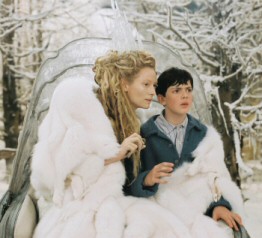
Since my favorite food is smoked salmon—and since it also happens to be my study species—I’ve decided to look into the purported ills of farmed salmon. Smoked salmon at the grocery store is often farmed Atlantic salmon. But first, a quick aside to illustrate why this issue (e.g. finding good smoked salmon to eat) is so close to my heart. I was about 9 when I first read C.S. Lewis’s The Lion, the Witch, and the Wardrobe. In the scene when the White Witch offers Edmund any food he desires, he chooses Turkish Delight, and receives a bottomless tin full of (enchanted) confection. Since, at age 9, I had no idea what Turkish Delight was, I imagined a bottomless tin of smoked salmon – nothing could be better – and to this day, any mention of Turkish Delight automatically makes my mouth begin to water (and not for the candy). So, while I don’t think I’ve actually been enchanted, I find it about as difficult to resist buying a package of smoked salmon as Edmund found it to resist going back to the White Witch for more Turkish Delight.

Edmund fantasizing about Turkish Delight
Turkish Delight (a far cry from smoked salmon)
So what is wrong with farmed salmon? There are several problems with it, ranging from environmental impacts to serious health concerns. As with raising beef cattle, it takes a lot of food to raise meat. But unlike cows, which eat corn (well, not naturally, but that’s a whole other story), salmon eat fish, so there’s a large impact on the marine food chain. It takes about 3 pounds of other fish (mostly small pelagic fish) to produce 1 pound of salmon. In addition, many studies have found that salmon feed is highly contaminated with toxins, including PCBs and mercury, and this high toxin load gets transferred to the farmed salmon (at much higher levels than are found naturally in wild salmon populations).


Most farmed salmon, at this point, come from large aquaculture operations in Norway and Chile. In general, the salmon are raised in large netpens in near-shore ocean, a design resulting in pollution of ocean waters through fish and feed waste. Pens can contain up to 90,000 fish. Overcrowded conditions mean that disease and parasites run rampant, and can then be transferred to wild salmon populations due to the open netpen set-up. In particular, sea lice (a marine copepod) are a major concern (google image search them if you have a strong stomach—I couldn’t bring myself to put the pictures up on my blog). There have been studies showing the transfer of sea lice from salmon farms to wild pink salmon, causing infection and mortality in the wild populations.


However, there are some promising innovations in aquaculture that may mean better farmed salmon in the future. Closed, re-circulating systems prevent many of the environmental problems, such as pollution and disease/parasite transmission to wild salmon. There has also been some success rearing coho in freshwater pens in the US—these farmed salmon are now listed as a “best choice” by Seafood Watch (success!). In addition, innovations in net design are helping prevent some of the disease and parasite problems by using antimicrobial copper alloy netting.

So, after looking into salmon farming, I bit the bullet and did a little research on why freshwater eel are listed as “avoid” by Seafood Watch. After all, the first step to many things is knowledge. It turns out freshwater eel have a fascinating life cycle. They are catadromous—this is the opposite of anadromous (salmon’s life cycle), where the eels spend their life in freshwater, but go to the ocean to spawn. They find their way to rivers as small, immature, transparent eel (referred to as “glass eels”), and it’s at this stage that they are caught in droves in order to supply eel farms raising unagi. Basically, instead of raising eels from scratch (starting with eggs, as salmon hatcheries do), eel farms find it easier to go catch the young wild eels, and use these as a constant supply, thereby continually depleting already declining wild populations.
Glass eel, the life stage when they're caught to bring to eel farms.

Declines in wild eel populations
So, herein lies one of the hardest personal debates about being a good environmental steward. Do I completely deny myself a food I love, or allow myself to have it very occasionally? There is a fine balance between enjoying and living life, and also trying to live according to certain values. Where do you draw the line? As with purchasing carbon offsets for air travel, can we go out and do something proactive to protect fish populations every time we indulge in another round of unagi sushi? This is a balance I, and many people I know, continually struggle with.


Wednesday, December 19, 2012

What fish want

What do fish want? I thought I would try to focus on a seasonally-appropriate question, but also one that I spend a lot of time these days pondering. You might think that it would be simple to figure out what motivates a fish—after all, they probably aren’t influenced by the complex emotions that drive people. But unfortunately, we can’t just ask them (I have often wished for just one hour as a fish—I would learn… and publish… so much!).

In general, animal behavior is driven by a balance between the drive to maintain/gain energy stores, survive, and ultimately reproduce. So when asking why a fish chooses to inhabit a particular area of the river, we start by looking at the environmental factors (such as water temperature and shelter from potential predators) that might be influencing its behavior. In my research, I’m interested in what environmental factors are influencing juvenile steelhead behavior surrounding coolwater refugia (areas that are cooler than the main river, often because of an incoming cold creek). What causes fish to use coolwater refuges? And when the river is really hot, what causes fish to leave the refuge? In asking these questions, I’m hoping to gain an understanding of when these refugia areas are most important to fish.
Juvenile steelhead being measured
A heat image of a coolwater refugia area on the Klamath River (Image from U.S. Bureau of Rec)
Taking a step back… many rivers are getting hotter, both because of climate change (influence of higher air temperatures), and land use practices such as logging and agriculture. Logging the riparian area next to a stream reduces shading,  causing the water to heat up. Irrigation can lead to hotter water temperatures if water is diverted into shallow, slow-flowing irrigation ditches, then returned to the river. The Klamath River in northern California, where I do my research, can reach 80°F in the summer, which feels like bathwater. On cool mornings I would sometimes even get into the water to warm up.

Salmon are a coldwater fish, and prefer a temperature range of about 10-18°C (50-65°F). This means that during the summer, when the river temperatures reach 80°F, they are under serious thermal stress—the high temperatures increase their metabolism, so they struggle to maintain weight. As a result, fish will seek out areas in the river that are cooler, such as areas where tributaries flow into the river (i.e. thermal refugia). You can sometimes see hundreds of juvenile salmon packed into small coolwater refuges. However, fish sometimes leave the coolwater areas, even when the river is hot. Why? This question forms the root of my research.
Juvenile steelhead in a coolwater refugia area
I’m hypothesizing that it’s a trade-off between water temperature and the need to find sufficient food. While the fish gain a thermal benefit by hanging out in the cooler water, the high densities of fish suggest that there may be competition for food, forcing fish to leave for brief periods in search of prey.

To put this dilemma in a human perspective, imagine that it's 120°F outside, and you are in a nice air-conditioned house… with no food. You have the choice to go out and pick some food from the garden, or just stay inside and feel hungry. It’s a trade-off! At what point do you decide to leave? Now imagine that your body temperature changes to that of the outside temperature—so as soon as you walk out the door, your temperature begins to rise. This is what happens for fish, since they are poikilotherms—cold-blooded animals that do not stay in a temperature-constant environment, so their internal temperature varies over a wide range. While they are adapted to function over a certain range of temperatures, water temperatures may be rising more quickly than fish can adapt, leaving them with a shrinking amount of available habitat.

In order to understand when and where coolwater refugia are most important, we need to figure out what specific environmental factors are driving fish’s decisions to enter and leave refugia. To do this, I conducted behavioral field studies on juvenile steelhead at coolwater refugia sites on the Klamath River for the past 3 summers. I put radio tags into steelhead (see video below), and was able to track their movement and body temperature (pretty cool!) over time. So far, I’ve found some interesting effects of water temperature dynamics on the likelihood of fish using thermal refugia… stay tuned! (And to learn more about how I’m researching this, visit my website!)


Put in a larger (non-fishy) context, refugia habitats such as this will become increasingly important as the climate continues to change. Whether it’s a range shift upwards onto mountaintops for a high altitude terrestrial species, or a fish seeking out cooler water, understanding how animals use refugia and when they are crucial to their survival will be an important aspect of preserving some species.

And now, if you’ve made it this far, enjoy the holidays! I, for one, will be enjoying a taste of the fruits of my labor.


Tuesday, December 11, 2012

A river running free


Last week I went on a hike along the Elwha River in Olympic National Park, Washington. Not only was I excited to get out and hike (which happens far too infrequently these days), but I wanted to see the Elwha now that it’s a completely free flowing river again. The largest dam removal in the world just took place on the Elwha—the two dams that were located 5 and 13 miles upstream of the Strait of Juan de Fuca are now almost completely gone.

Glines Canyon Dam before removal
Glines Canyon Dam as of 11/6/12
 I hiked through the mossy dripping rainforest up above where the dams had been, imagining (or, let’s be honest, hoping) that I would come across Bigfoot around the next bend and make my millions. The ecosystem there is incredibly verdant — temperate rainforest that gets approximately 150 inches of rain annually—with towering Douglas firs, dripping alders and Bigleaf maples, and plenty of mushrooms pushing their way up through the mossy ground. I kept my eye out for Oyster mushrooms, but no luck. I also stopped frequently to scour the turbid water for salmon, since both Chinook and Pink salmon, as well as steelhead, have already been sighted upriver of the lower dam! (Granted, it would be surprising to find them above the upper dam, which is not yet completely gone… but as with Bigfoot, one can hope).

Olympic National Park forest
... Bigfoot?
 While I am a firm believer in ecological restoration, there are not many restoration stories that have brought tears to my eyes, but hearing that salmon are already returning to parts of the Elwha that have been inaccessible to them for the past century did literally make me tear up. It’s also a nice example of how dam removal can be successful. A few months ago, my friend asked me, “Is dam removal good?” A great question! She had been at a party and gotten into a discussion about dam removal. As a scientist and someone generally in favor of ecological restoration, she felt intuitively that dam removal is a good thing, but when asked why, she wasn’t sure. What really are the benefits of taking out dams? To emphasize the importance of this question, you should know that there are about 75,000 larger dams (over 6ft) in the U.S., and an estimated 2 million total. However, most of these were built with only a 50-year useful life-span, and the number of “high hazard dams” in need of either reinforcement or removal is rising sharply.
Map of major dams in the U.S.


 One of the many exciting aspects of dam removal (and one close to my heart) is the benefit to anadromous fish, such as salmon. (Anadromous fish begin life in freshwater, travel to the ocean to grow, and return to the river to spawn). Salmon rely on large amounts of high quality river habitat for spawning, juvenile rearing, and migration. Large dams without fish ladders are impassible to salmon, cutting off enormous amounts of good river habitat. And the habitat that’s left is often lower quality, in terms of temperature (too hot) and sediment composition. Dams block sediment, meaning that lots of fine sediment that naturally flows downriver is blocked behind dams. The result is that you get huge sediment build-ups behind dams (there are 5 billion tons of sediment behind the Glen Canyon Dam!). The downstream impacts of this sediment blockage include a coarsening of the riverbed sediment (since all the fine sediment is trapped upstream), which decreases the amount of good spawning habitat for salmon. In addition to the impacts on salmon, the lack of natural sediment flow has caused substantial beach erosion, since this sediment is what beaches are made of (California beaches are being reduced by ~2.8 million cubic meters of sand per year). 

Towards the end of my hike along the Elwha, I made my way down to the large rocky expanse where the upper reservoir used to be. It was sobering to stand on the bank of what is now a flowing river, and realize that only a year and a half ago, I would have been deep underwater. The floodplain hasn’t reconnected with the river yet, but with the river’s natural flow regime restored, this should happen in time. (Dams drastically alter a river’s flow regime—the pattern of water flow over time—usually by homogenizing it, so that the water flow doesn’t change much throughout the year.) One of the less widely known benefits of dam removal is the restoration of the flow regime. The animals and plants along a river evolve to take advantage of that particular river’s flow regime. For example, cottonwoods time the release of their seeds with floods, to aid in dispersal, and aquatic insects such as caddisflies synchronize their metamorphosis (from aquatic insect to terrestrial adult) with the average timing of flood season. When flow regimes change drastically over a short time period, as happens when a dam goes up, it can be hard for these species to adapt.

Glines Canyon reservoir bed from the air
On my hike, standing in the Glines Canyon reservoir bed looking downstream
As I’m reminded daily through conversations with my husband, there’s a lot of controversy surrounding dam removal. I’ve seen my share of this during my summers doing research on the Klamath River, where the 4 lowest dams are scheduled to come out in 2020. Many people want to keep dams because they are a symbol of progress (at least, the Greatest Generation feels this way), and because they like boating and fishing in the reservoirs. However, since many of America’s dams are old, it’s worth considering the fact that it may be more beneficial (ecologically and economically) to remove than to restore them.

A sign from near where I work on the Klamath River
Another sign from near where I lived...
There’s a lot more to learn about dam removal, but I hope I’ve given you a few good points to fall back on if you find yourself defending its benefits at a party. And if you haven’t seen it yet, you really need to watch this spectacular video of another Washington state dam removal, the Condit dam on the White Salmon River.


Sunday, November 18, 2012

The problem of truth


I read an interesting (and rather infuriating) opinion piece on salmon in the Gridley Herald a few weeks ago, claiming that salmon populations on the Klamath River in northern California are doing just fine. Gridley is a small town in the Central Valley south of Chico. The author, James Finses, based his claim on one good year of salmon returns, as well as bashing the groups he disagrees with (more details below). While making me writhe internally, this piece also got me thinking once again about denial, and how we shape truth.

The problem is that people have different versions of the truth. Scientists version of truth takes the form of testable hypotheses that are “proved” (or fail to be rejected, if you'd prefer), or quantitative models, but that’s not how people work. People, in general, are most likely to believe what they see (first-hand data), and this is tempered by what they want to see (which is where denial comes in). Since I happen to be watching football right now (don’t be too shocked…I was coaxed to the bar by my husband), the analogy that comes to mind is if a team does well the three times in a row you happen to watch them, you’re more likely to believe that they’re good rather than the long-term statistics that tell you they’re terrible. In short, we’re more inclined to believe what we see right in front of us (and especially when we like what we see), rather than trying to put things in the larger context… especially when it’s inconvenient or displeasing to do so. Thus, we can easily create a convenient reality, when so inclined.


This problem of truth extends to opinions surrounding salmon fisheries management. There’s lots of data and scientific papers showing that our salmon populations have crashed in the past century, but there is also tremendous economic, cultural, and social pressure to keep fishing. This creates a situation where there are a lot of people with different opinions and goals searching for a slippery truth (i.e. how do we best restore/maintain salmon populations).

Restoring salmon populations is not an easy or straightforward task, and can demand innovative and sometimes unpopular (with some) approaches, such as dam removal, fishing restrictions, or expensive fish ladders, all of which can inspire heated controversy. This is the case on the Klamath River in northern California where I do my research, and where there are 4 dam removals planned for 2020 in order to help restore fish populations (including ESA-listed Coho). On the Klamath, there are many interest groups who care about both fish and water flows, including fishermen, native tribes, rafting companies, farmers, and fiery locals.

Returning Chinook salmon on the Klamath River
And so when record numbers (~380,000) of Chinook salmon were projected to return to the Klamath River this year — a run size close to historical returns for fall Chinook — it is no surprise that there were people, including James Finses of Gridley CA, eager to jump at the opportunity to claim that salmon populations are doing just fine. In his opinion piece, Finses is quick to point out that the fish are returning despite the fact that we still have dams, and that “the dirty, unscientific data brought forth by the tribes, enviros and other whacko groups was wrong all the time.” The problem with Finses’ argument that one good year of salmon returns means that salmon populations are fine is that salmon populations are incredibly variable year to year, and the success of a particular cohort depends on numerous conditions including favorable river temperatures and ocean conditions (abundant plankton and low predator numbers). In the end, he states that “the salmon are back in record numbers with all the dams to help them.” I find this last sentence particularly interesting, since it reflects the desire to not just disprove undesirable truths, but to use this small piece of evidence (one year of good salmon returns) to reshape the truth (i.e. dams must be helping the fish). Whether Finses actually believes this statement or not, the fact remains that humans are susceptible to incredible willful short-sightedness when it suits us. So in questions relating to fisheries management, the truth very quickly becomes a slippery shadow, swathed in politics and emotion, often taking different forms for different people.

Fish ladder on John Day River dam
My husband came across another example of this truth-shaping during his research on dam removal, when talking to a local about fish ladders. Fish ladders are structures built into some dams that allow for anadromous fish migration – they are usually a series of small steps and pools with sufficient flow to attract fish to them. While having fish ladders is better than providing no fish passage at all, they are only somewhat successful; some problems include increased predation (predators, such as bass or birds, can sit at the end of the fish ladder, picking off a tasty meal as the salmon funnel through), and possible delay and additional energy demand on the fish (especially as they pool up at the bottom, awaiting their turn in the limited space). However, having a fish ladder is somewhat of a band-aid fix, and can make it seem like the fish are doing fine, especially since it often causes the fish to pool up, so that visually it appears that there are a lot of fish. As the local remarked to my husband, ‘the fish are just hanging out below the dam, “taking their time.”’

So will one good year of salmon returns make us forget those that have come before? As scientists, the answer is no. But as humans, we are susceptible to our emotions and personal biases.


Saturday, October 27, 2012

Bass and salmon: who’s for dinner?


I went to an interesting lecture this week at the University of Washington Fisheries department on the potential effects of climate change on the interactions between Chinook salmon and smallmouth bass. 
Smallmouth bass


Juvenile Chinook salmon


Smallmouth bass are native to the Northeast and upper Midwest, but like many other fish species, they were spread across the United States by avid fishermen during the 20th century. One method of spreading bass was to put them in large milk containers on trans-continental trains, and then stop and dump fish in every body of water they passed along the way. By the second half of the 20th century, stocking fish became even easier, with the invention of planes.

Fish being released from a plane to stock a lake for fishing
As with many of the things we did to nature in the 1900s, we are now beginning to understand the consequences of planting bass. In western rivers, one major impact of non-native bass on Pacific salmon is predation. Bass eat juvenile salmon, and in rivers where they co-occur, they form a predatory gauntlet for the juvenile salmon migrating out to the ocean each year. As one fishing website declares, “smallmouth bass are aggressive freshwater fish that will readily engulf nearly anything that they can fit in their mouths.” And juvenile Chinook certainly fit that description.

The fact that Pacific salmon populations have crashed over the past half century as a result of climate change (hotter river temperatures), freshwater habitat loss (dams etc.), and overfishing, is well-known. There are lots of studies showing that rising river temperatures negatively affect salmon, but what I found really interesting about this lecture was the discussion of how climate change (in the form of hotter rivers) could affect the interaction between bass and juvenile Chinook salmon. Salmon are cold-water fish and can only tolerate water up to about 75F, so as rivers warm, juvenile salmon are forced higher up into watersheds to find suitably cold water to rear in. At the same time, small-mouth bass are limited in the opposite direction – if the water is too cold, they can’t spawn. So as rivers warm, they are able to move further and further up watersheds. In the John Day River in Oregon, smallmouth bass and juvenile Chinook rearing habitat now overlap. This range shift and overlapping habitat lead to new questions: will bass presence negatively affect juvenile salmon in other ways than direct predation? It’s no longer just a predatory gauntlet, a one-time-only deal that the juvenile Chinook have to face as they out-migrate. Now their daily interactions and behavior, and possibly their growth potential, could change as a result of the encroaching bass. On a much larger scale, it is these kind of unforeseen effects of climate change that make it so hard to predict.